
Groundworks
A reinforced concrete retaining wall
Expert Groundwork Services
At PW Formwork, we specialise in all aspects of groundwork—the essential first stage of any construction project. From site preparation to underground services, our team ensures your project starts with a solid, safe, and properly prepared foundation.
We work closely with builders, developers, and civil contractors to deliver efficient, high-quality groundwork across residential, commercial, and industrial sites.
Our Groundwork Services
We offer a full range of groundwork solutions, including:
✅ Site Clearing & Excavation – Removing vegetation, debris, and topsoil
✅ Earthworks & Levelling – Cutting, filling, grading, and soil compaction
✅ Footings & Foundations – Excavation and preparation for concrete pours
✅ Drainage & Stormwater Systems – Trenching and installation of pipes, pits & soakwells
✅ Underground Services – Electrical, water, and sewer trenching
✅ Driveway & Crossover Prep – Base preparation and formwork
✅ Retaining Walls & Boundary Trenches – Ground stabilisation and support
Why Choose PW Formwork?
🚜 Experienced Operators: Skilled in machinery, excavation, and site prep
🏗️ Fully Equipped: We own and operate all necessary plant and equipment
⏱️ Reliable & On Time: We understand deadlines and work efficiently
📍 Local Knowledge: Ground conditions and regulations you can trust
🦺 Safety Focused: Fully insured and compliant with all site safety standards
Build From the Ground Up — The Right Way
Every great project begins with proper groundwork. At [Your Business Name], we don’t cut corners—we dig them. Whether you’re preparing for a slab, extending a site, or installing services, our team delivers the precision and reliability you need to move forward with confidence.
Request a Free Site Inspection or Quote
Let’s get your project off to a strong start.
Contact PW Formwork today to discuss your groundwork needs.
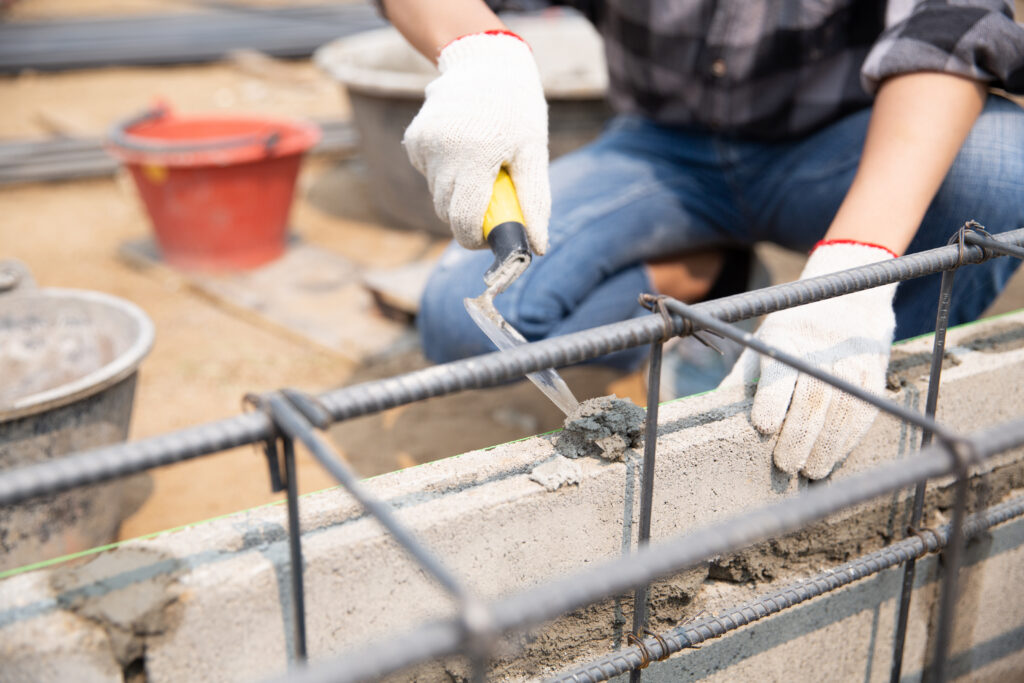
Here are some key points about reinforced concrete retaining walls:
- Purpose and Function: The primary purpose of a reinforced concrete retaining wall is to provide structural support and stability to hold back soil or other materials. They are typically used in situations where there is a significant change in elevation or where the natural slope of the land needs to be modified.
- Design and Construction: The design of a reinforced concrete retaining wall considers factors such as soil properties, slope conditions, hydrostatic pressure, and required height. Engineers analyze these factors to determine the appropriate wall type, dimensions, reinforcement, and construction method. The reinforcement, typically steel bars or mesh, is embedded within the concrete to enhance the wall's strength and resistance to lateral forces.
- Types of Retaining Walls: There are various types of reinforced concrete retaining walls, including gravity walls, cantilever walls, counterfort walls, and piled walls. The choice of wall type depends on factors such as the height of the wall, soil conditions, and design requirements. Each type has its own advantages and construction considerations.
- Construction Process: The construction of a reinforced concrete retaining wall involves several steps. It starts with excavation and leveling of the ground, followed by the installation of formwork to shape the wall. The reinforcement is placed within the formwork, and concrete is poured to create the wall structure. Proper curing is essential to ensure the strength and durability of the concrete.
- Drainage Considerations: Proper drainage is crucial for reinforced concrete retaining walls to prevent water accumulation behind the wall, which can exert additional pressure and potentially compromise its stability. Drainage provisions, such as weep holes, gravel backfill, and geotextiles, are incorporated into the design to facilitate water flow and prevent hydrostatic pressure buildup.
- Maintenance and Longevity: Reinforced concrete retaining walls are designed to be durable and long-lasting. However, regular inspections and maintenance are essential to monitor for signs of erosion, cracking, or settlement. Any necessary repairs or remedial measures should be carried out promptly to ensure the continued stability and functionality of the wall.
Reinforced concrete retaining walls are widely used for their strength, versatility, and ability to withstand lateral earth pressures. They provide stability, support, and aesthetic appeal, allowing for the effective management of slopes and terrains in various civil engineering and construction applications.