
Formwork
Formwork
What is Formwork?
Formwork is the temporary or permanent structure used to mold and support concrete until it achieves the necessary strength to stand on its own. It plays a vital role in shaping architectural elements—whether it’s a simple slab, complex staircase, or multi-story column—ensuring the concrete sets with precision, strength, and a smooth finish.
Our Formwork Solutions
At PW Formwork, we specialize in providing high-quality, reliable formwork systems tailored to each project’s size, complexity, and timeline. Whether you’re building a residential home, commercial space, or large-scale infrastructure, our team delivers formwork that meets engineering standards and enhances construction efficiency.
We offer:
Timber & Plywood Formwork – Ideal for custom or one-off designs.
Steel Formwork – Durable and reusable for large or repetitive jobs.
Aluminum Formwork – Lightweight and fast to install, perfect for high-rise and mass housing.
Permanent Formwork Systems – Integrated solutions that stay in place and reduce labor time.
Custom Formwork Design & Engineering – Tailored to your project’s unique requirements.
Why Quality Formwork Matters
✅ Ensures structural integrity and precise concrete shapes
✅ Saves time and labor costs during construction
✅ Reduces surface defects and rework
✅ Increases site safety and productivity
Partner With Us
With a focus on safety, efficiency, and accuracy, our experienced team delivers end-to-end formwork services—from planning and supply to on-site setup and removal. We take pride in meeting deadlines, minimizing waste, and supporting your project’s success from the ground up.
Ready to Build with Confidence?
Contact us today for a free consultation or quote.
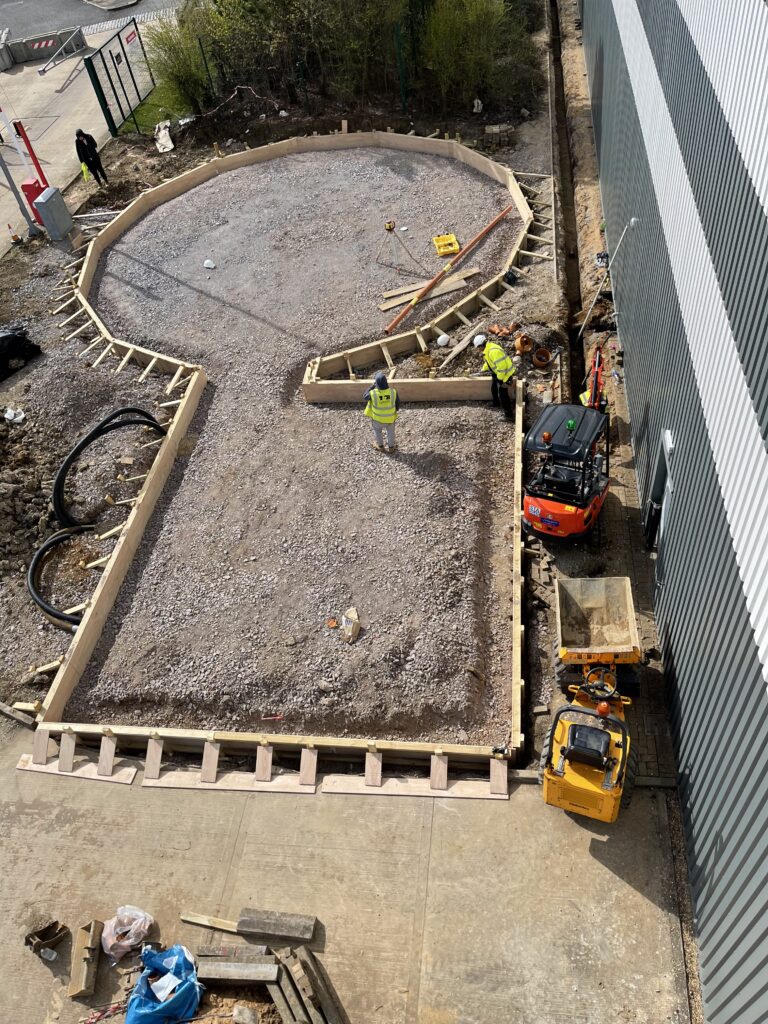
Here are some key points about reinforced concrete slabs:
- Definition: Reinforced concrete slabs consist of a combination of concrete and reinforcement materials, such as steel bars or mesh, working together to resist bending and distribute loads effectively. The reinforcement is embedded within the concrete to enhance its tensile strength and minimize cracking.
- Structural Strength: The combination of concrete and reinforcement allows reinforced concrete slabs to withstand heavy loads and provide structural stability. The reinforcement helps to distribute the loads more evenly and prevent the slab from failing under stress.
- Types of Reinforced Concrete Slabs: There are various types of reinforced concrete slabs, including one-way slabs, two-way slabs, flat slabs, and waffle slabs. The design and selection of the slab type depend on factors such as the span, loading conditions, architectural requirements, and construction method.
- Advantages: Reinforced concrete slabs offer several advantages. They provide excellent fire resistance, sound insulation, and thermal mass properties. They can be designed to accommodate different load requirements and can span large distances without the need for additional support. Moreover, they can be shaped and formed to meet various architectural designs.
- Construction Process: Constructing a reinforced concrete slab involves several steps, including formwork installation, placing reinforcement, pouring and compacting concrete, and curing. The proper installation and placement of reinforcement are crucial to ensure the slab's structural integrity and load-bearing capacity.
- Maintenance and Longevity: Reinforced concrete slabs are known for their long service life and low maintenance requirements. However, regular inspections and maintenance, such as repairing cracks or addressing corrosion of reinforcement, are essential to ensure the longevity and performance of the slabs.
Reinforced concrete slabs are a fundamental element in modern construction, offering strength, versatility, and longevity. Their ability to withstand heavy loads and adapt to various architectural requirements makes them a popular choice for a wide range of construction projects.